Key Benefits
1. Eco-friendly Materials
The Ninety7 wattle is made from 100% biodegradable and recyclable plant-based materials. This makes it a sustainable alternative to traditional erosion control products, which often rely on synthetic materials that contribute to environmental pollution. The use of natural, plant-based fibers ensures that the Ninety7 wattle aligns with green building practices and minimizes harm to the environment.
2. Biodegradability
Unlike traditional wattles, which are often made from plastic woven netting, the Ninety7 wattle will naturally biodegrade within one to two years, depending on the conditions of the installation site. This natural breakdown reduces the long-term environmental impact, as there’s no accumulation of non-degradable materials that could harm wildlife or pollute waterways.
3. Flexible and Stretchable Construction
The nature of its construction makes it flexible and stretchable, allowing it to conform to uneven ground surfaces. This flexibility ensures that the wattle can adapt to a variety of installation environments, providing an effective barrier for storm-water runoff in both flat and sloped areas. This adaptability is a key factor in its effectiveness as an erosion and sediment control device.
4. Wildlife Safety
One of the significant environmental advantages of the Ninety7 wattle over traditional wattles is its wildlife safety. Traditional plastic netting can pose a risk to animals if they become trapped in the material. In contrast, the Ninety7 wattle’s biodegradable, natural fibers do not present the same risk, ensuring the safety of local wildlife. The natural materials will eventually break down without causing harm to animals that may come into contact with the device.
5. Effectiveness in Erosion Control
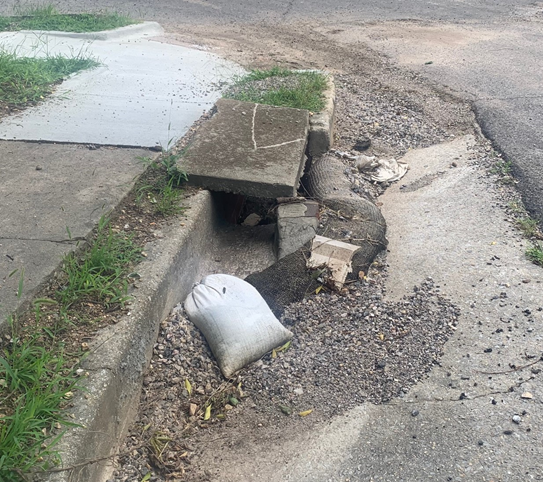
The unique construction of the Ninety7 wattle allows it to function effectively in reducing the velocity of storm-water runoff. When placed strategically in channels, around stockpiles, or at inlet locations, the wattle slows down the water flow, allowing sediment to settle out of the water. As a result, the Ninety7 wattle helps protect downstream water quality by minimizing sediment transport.
The Ninety7 wattle is made from 100% biodegradable and recyclable plant-based materials. This makes it a sustainable alternative to traditional erosion control products, which often rely on synthetic materials that contribute to environmental pollution. The use of natural, plant-based fibers ensures that the Ninety7 wattle aligns with green building practices and minimizes harm to the environment.
2. Biodegradability
Unlike traditional wattles, which are often made from plastic woven netting, the Ninety7 wattle will naturally biodegrade within one to two years, depending on the conditions of the installation site. This natural breakdown reduces the long-term environmental impact, as there’s no accumulation of non-degradable materials that could harm wildlife or pollute waterways.
3. Flexible and Stretchable Construction
The nature of its construction makes it flexible and stretchable, allowing it to conform to uneven ground surfaces. This flexibility ensures that the wattle can adapt to a variety of installation environments, providing an effective barrier for storm-water runoff in both flat and sloped areas. This adaptability is a key factor in its effectiveness as an erosion and sediment control device.
4. Wildlife Safety
One of the significant environmental advantages of the Ninety7 wattle over traditional wattles is its wildlife safety. Traditional plastic netting can pose a risk to animals if they become trapped in the material. In contrast, the Ninety7 wattle’s biodegradable, natural fibers do not present the same risk, ensuring the safety of local wildlife. The natural materials will eventually break down without causing harm to animals that may come into contact with the device.
5. Effectiveness in Erosion Control
The unique construction of the Ninety7 wattle allows it to function effectively in reducing the velocity of storm-water runoff. When placed strategically in channels, around stockpiles, or at inlet locations, the wattle slows down the water flow, allowing sediment to settle out of the water. As a result, the Ninety7 wattle helps protect downstream water quality by minimizing sediment transport.